Tulabagane
Crafting Memories Across Africa
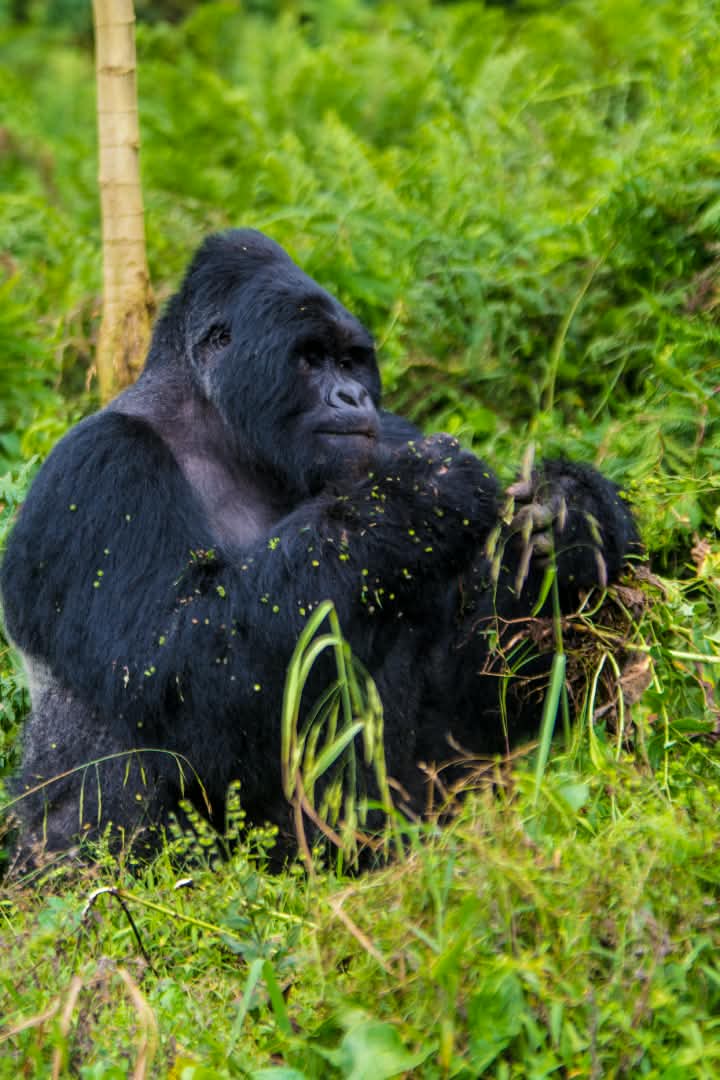
Imagine standing just meters away from a family of mountain gorillas. The misty air of Bwindi Impenetrable National Park is thick with the scent of damp earth, and the only sound is the crunch of leaves as a majestic silverback settles into the foliage. It is a profound, bucket-list moment. But for the modern eco-conscious traveler, a critical question always follows the awe: is my presence here helping or hurting?
When you book a safari to Uganda, the answer is clear. Your journey is not just a holiday; it is a direct investment in the survival of a species and the upliftment of local communities.
Here is exactly how your Uganda gorilla trekking permit acts as a powerful tool for sustainable tourism and conservation.
At first glance, the $800 USD price tag for a Ugandan gorilla trekking permit may seem like a major investment. However, gorilla tourism plays an important role in supporting the protection of Uganda's mountain gorillas and their forest habitat. The Uganda Wildlife Authority (UWA) manages Uganda's protected areas and uses tourism revenue to support conservation activities, including:
Uganda's conservation model also recognizes that communities living beside protected areas must benefit from tourism. Under UWA's revenue-sharing programme, 20% of park entry revenue is shared with neighboring communities. In Bwindi, an additional $10 from each gorilla-tracking permit is shared through the community revenue-sharing programme. These funds can support projects such as schools, health centres, water facilities and livelihood initiatives.
By making a living gorilla worth more to the community than a poached one, tourism turned former poachers into the forest's fiercest protectors. Many local guides, porters, and lodge staff are reformed poachers who now earn a sustainable, proud living protecting the primates.
If you want to ensure your entire trip to East Africa aligns with your sustainable travel values, look beyond the permit and consider these active, low-impact adventures:
Porters come from surrounding communities, and hiring one provides direct income while giving you valuable assistance as you navigate the steep and sometimes muddy terrain of the rainforest. It is also a simple way to make your trekking experience easier while allowing your travel spending to benefit someone locally.
Consider accommodation that supports local employment, uses energy and water responsibly, reduces plastic waste and sources food and other supplies locally where possible. Responsible accommodation allows travelers to enjoy Uganda's natural beauty while being more conscious of their environmental footprint.
If you love active, raw adventure, consider a Chimpanzee Habituation Experience in Kibale National Park or a Gorilla Habituation Experience in Bwindi. Unlike standard gorilla trekking, habituation experiences allow visitors to spend more time observing primates alongside researchers and trackers.
These experiences also contribute to ongoing conservation, monitoring and research efforts.
As travelers from Europe and across the globe seek deeper meaning in their journeys, Uganda stands out as a destination where tourism and nature exist in harmony. You don't just leave with incredible wildlife photos — you leave knowing your footsteps helped preserve one of the oldest rainforests on Earth for generations to come.
Ready to travel with a purpose? Let Tulabagane Expeditions Africa Safaris customise a responsible Uganda safari that combines gorilla trekking, wildlife and meaningful community experiences. From Bwindi's misty forests to Uganda's savannahs, your journey can create unforgettable memories while supporting conservation and local communities.